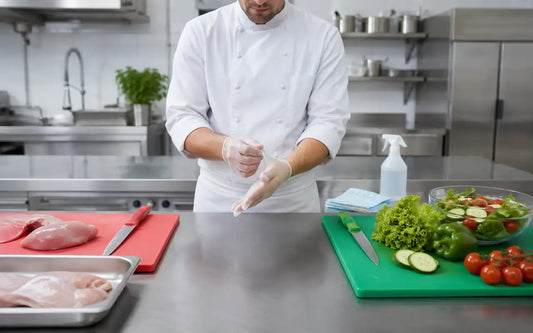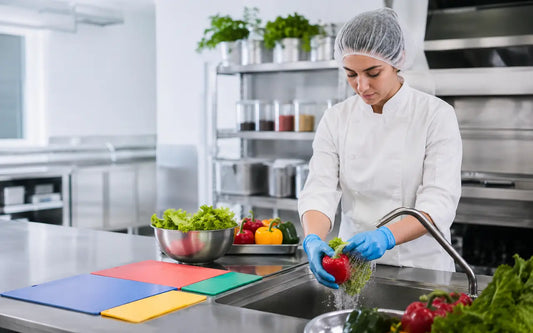


If you are searching for a food handlers manual PDF Spain, you are probably trying to prepare for food handler training, a food hygiene test, or a certificate before working with food.
You may also be searching for “food handlers manual PDF free download” because you want something simple to study before starting a course.
That is a smart idea.
A good food handler manual can help you understand the basics before you take a test. It can explain hygiene, contamination, cross-contamination, temperature control, cleaning, allergens, and HACCP in simple language.
Download the free Food Handlers Manual PDF for Spain
Use it as a study guide before your test or course. Then continue reading below to understand what the manual should cover, how to use it properly, and when certificate evidence may still be needed.
But there is one important point.
A manual is not the same as a certificate.
Reading a PDF can help you learn. It can help you revise. It can help you feel ready. But if an employer asks for proof of food hygiene training, or if a food business needs staff training records, a manual alone may not be enough.
In Spain, food handlers need suitable food hygiene training for the work they do. A certificate is the normal way to show that training was completed.
This guide explains what a food handlers manual should include, what to study before your certificate, how to use free resources safely, and when online food hygiene training is the better next step.
What Is a Food Handlers Manual?
A food handlers manual is a study guide that explains the basic rules of safe food handling.
It may be a PDF, booklet, online guide, training handout, or workplace document. It is usually written for people who prepare, cook, serve, store, transport, package, display, or sell food.
A good manual explains what can make food unsafe and what food handlers should do to reduce risk.
It should not be written only for managers. Food handlers need simple, clear guidance they can use in real work.
For example, a kitchen assistant needs to know when to wash hands. A bakery worker needs to know how allergens can move between products. A food truck worker needs to know why temperature, water, waste, and cleaning matter. A waiter needs to know that allergen questions should not be answered by guessing.
A food handlers manual can help beginners understand the language of food safety before taking a course. It can also help experienced workers refresh their knowledge.
But a manual should never make food safety feel like only reading. Food safety is behaviour. The goal is not to read a PDF once and forget it. The goal is to handle food safely every day.
Is a Food Handlers Manual the Same as Training?
No. A food handlers manual is not the same as full training.
A manual can be part of training. It can support training. It can help with revision. But reading a manual does not always prove that a person completed food hygiene training or passed an assessment.
Training usually has a clearer structure. It teaches the topics in order, explains examples, checks understanding, and may include a test or final assessment.
A certificate course normally gives evidence after the learner completes the training and passes the assessment.
This difference matters in Spain.
Food businesses need to make sure food handlers are trained, instructed, or supervised in a way that fits their work. Employers may need evidence that staff have received suitable food hygiene training.
A PDF manual alone may not give that evidence.
For example, an employer may ask:
Who completed the training?
When did they complete it?
What topics were covered?
Did they pass an assessment?
Does the training match the worker’s role?
Can the business keep a certificate in staff records?
A manual may help with learning, but it may not answer these questions.
So use a manual as a study tool, not as a replacement for proper training evidence.

Why People Search for a Free Food Handlers Manual PDF
People search for a free food handlers manual PDF because they want fast, simple information.
This is common before starting a food job. A worker may want to feel prepared before entering a restaurant kitchen, bakery, café, hotel, catering team, food truck, or supermarket food counter.
It is also common before taking a food handler test. A learner may want practice notes before the assessment.
Small business owners may also search for free manuals because they want to train staff, create onboarding material, or understand what inspectors may expect.
Free resources can be useful. A good free guide can help you learn terms, understand common risks, and prepare for a course.
But free resources can also be risky if they are outdated, too generic, written for another country, or copied from a different legal system.
For Spain, you should be careful with manuals that focus on local health department cards, US state permits, UK-specific qualifications, or systems that do not match Spain.
You should also be careful with manuals that say a certificate automatically lets you open a food business. It does not.
A certificate proves training. It does not replace business registration, municipal permission, food business registration or notification, tax setup, insurance, event requirements, or local rules.
For more on free resources compared with certificate training, read Spain Food Handler Course Free vs Paid: What Should You Choose?.
What Food Handlers in Spain Need to Know
A food handler in Spain needs to understand food hygiene in a way that matches the work they do.
This does not mean every worker needs the same depth of training.
A person serving packaged food may need basic hygiene and allergen awareness. A cook handling raw meat needs stronger training in contamination, temperature control, cleaning, and storage. A bakery worker needs allergen knowledge. A food truck vendor needs to understand mobile hygiene risks. A supervisor needs to know more about HACCP, records, staff training, and corrective actions.
Spain’s current food handler system is often misunderstood because many people still search for the old “food handler card” or carné de manipulador de alimentos.
Today, the focus is on suitable training and evidence of training. That evidence is usually a food handler certificate or food hygiene certificate.
So when you use a food handlers manual, do not only look for “answers.” Look for understanding.
A good manual should help you answer questions like:
Why does handwashing matter?
How does cross-contamination happen?
Why can allergens be dangerous?
What should I do if I am unsure about an ingredient?
Why do some foods need temperature control?
What is the difference between cleaning and disinfection?
How does HACCP help control risks?
Why is food safety culture important?
These are the ideas that matter in real food work.
For the full course-focused guide, read Food Handler Training in Spain: Online Food Hygiene Course & Certificate Guide.
Food Hygiene Basics to Study First
Start with the simple idea that food safety is about preventing harm.
Food can become unsafe because of germs, chemicals, objects, or allergens. These risks are not always visible. Food may smell normal and still be unsafe.
This is why food handlers need training.
Food hygiene basics include clean hands, clean clothing, safe food storage, safe preparation, safe cooking, safe cooling, clean surfaces, pest control, waste control, and accurate allergen information.
The main goal is to protect food from contamination.
A food handler should understand that contamination can happen at any stage. It can happen during delivery, storage, preparation, cooking, cooling, service, cleaning, packaging, transport, or display.
It can happen because a worker touches food with dirty hands. It can happen because raw food drips onto ready-to-eat food. It can happen because a chopping board is not cleaned properly. It can happen because allergen information is guessed. It can happen because chilled food is left out too long.
Food safety is not about fear. It is about control.
A trained food handler does not need to panic. They need to know what can go wrong and how to prevent it.

Personal Hygiene Rules Every Food Handler Should Know
Personal hygiene is one of the first topics in any food handlers manual.
Food handlers can carry germs on hands, clothing, hair, skin, jewellery, phones, wounds, and personal items. Because of this, safe hygiene habits matter every day.
Handwashing is the most important habit. Food handlers should wash hands before handling food, after using the toilet, after touching raw food, after touching waste, after coughing or sneezing, after touching the face or hair, after cleaning, after breaks, and when changing tasks.
Hands should be washed properly with clean water and soap. They should be dried safely. A quick rinse is not enough.
Gloves can help in some situations, but they do not replace handwashing. Dirty gloves can spread contamination just like dirty hands. Gloves should be changed when they become contaminated or when tasks change.
Food handlers should also wear clean work clothing where appropriate. Hair should be controlled. Cuts and wounds should be covered with suitable dressings. Jewellery and personal items should be controlled because they can carry germs or fall into food.
Illness reporting is also important. A worker with vomiting, diarrhoea, fever, infected wounds, or symptoms that may create food safety risk should follow workplace rules and report the issue before handling food.
Personal hygiene is not only about appearance. It is about preventing contamination.
Contamination and Cross-Contamination
Contamination means something unsafe gets into food.
There are four main types of contamination.
Biological contamination involves bacteria, viruses, parasites, mould, or other microorganisms. These may come from raw food, dirty hands, pests, waste, water, surfaces, or sick workers.
Chemical contamination involves cleaning chemicals, pesticides, unsuitable containers, or chemical residues getting into food.
Physical contamination involves objects such as glass, plastic, hair, metal, stones, packaging pieces, or jewellery entering food.
Allergenic contamination happens when an allergen gets into food where it should not be, or when allergen information is wrong.
Cross-contamination means contamination moves from one food, surface, tool, person, or place to another.
This is one of the most common food safety risks.
It can happen when raw chicken touches salad. It can happen when the same knife is used for raw meat and cooked food. It can happen when a cloth used on a dirty surface is used on a clean surface. It can happen when allergens move through shared fryers, utensils, trays, gloves, or toppings.
A food handlers manual should teach how to prevent this.
The basic controls are simple: separate raw and ready-to-eat food, use clean tools, wash hands, clean and disinfect surfaces, store food correctly, label ingredients, manage allergens carefully, and avoid mixing clean and dirty tasks.
Cross-contamination can happen quickly, especially in busy kitchens. That is why good habits matter before the rush begins.
Temperature Control and Safe Storage
Temperature control is another key topic to study before a food handler certificate.
Some foods can become unsafe if they are kept at the wrong temperature for too long. This is especially important for foods such as meat, poultry, fish, dairy, eggs, cooked rice, cooked pasta, prepared salads, sauces, and ready-to-eat foods.
A food handler should understand the food journey.
Food may be delivered, stored, prepared, cooked, cooled, reheated, displayed, transported, and served. Temperature control can matter at each stage.
Cold food should be kept cold when required. Hot food should be kept hot when required. Frozen food should stay frozen unless it is being safely thawed. Cooked food should be cooled safely if it will be stored. Reheated food should be reheated properly. Food that has been outside safe control for too long may need to be discarded.
Storage also matters.
Raw food should be kept away from ready-to-eat food. In fridges, raw meat and fish should not be stored above foods that will be eaten without further cooking. Food should be covered, labelled, and protected from contamination. Stock should be rotated so older items are used first where safe and suitable.
A food handler should also know what to do when something goes wrong.
If a fridge fails, who should be told?
If food arrives warm, should it be accepted?
If a label is missing, what should happen?
If food has been left out too long, should it be served?
A good manual should help workers think through these questions before they face them during service.
Cleaning, Disinfection, Waste, and Pest Awareness
Cleaning is not the same as disinfection.
This is one of the most important lessons in food hygiene.
Cleaning removes visible dirt, grease, and food residue. Disinfection reduces germs on surfaces to safer levels. A surface can look clean but still be unsafe if it has not been disinfected properly.
Food handlers should know what needs cleaning, when it should be cleaned, which products to use, how to use them safely, and how to avoid chemical contamination.
Cleaning tools also need control. Dirty cloths, sponges, mops, and brushes can spread contamination if they are not managed properly.
Waste is part of food safety too. Full bins can attract pests. Dirty waste areas can spread germs. Food waste should be handled in a way that protects food areas.
Pest awareness is also important. Food handlers should know the signs of pests, such as droppings, damaged packaging, gnaw marks, insects, unusual smells, or food spills. If they see signs of pests, they should report them.
A clean workplace is not only about looking professional. It helps protect food.
In small kitchens, food trucks, market stalls, and busy cafés, cleaning discipline is especially important because space is limited and tasks can overlap.
Allergen Awareness for Food Handlers
Allergen awareness should be included in every modern food handlers manual.
For some customers, an allergen mistake can be serious. The risk may come from the ingredient itself or from cross-contact.
Common allergen risks include cereals containing gluten, milk, eggs, fish, peanuts, soy, nuts, celery, mustard, sesame, sulphites, lupin, crustaceans, and molluscs.
Food handlers do not need to memorise every recipe from memory, but they must know where to check accurate allergen information.
The most important rule is simple:
Do not guess.
If a customer asks whether a food contains an allergen, the answer should come from reliable information. It should not come from memory, appearance, or confidence.
Allergen cross-contact can happen through shared utensils, fryers, grills, trays, boards, knives, gloves, hands, storage containers, toppings, sauces, and cleaning mistakes.
A food handlers manual should explain that allergen safety is not only a front-of-house issue. Kitchen staff, serving staff, managers, delivery teams, and anyone handling food information may affect the customer’s safety.
Good allergen control needs clear recipes, accurate labels, trained staff, controlled storage, clean tools, and safe communication.
For more detail on this topic, read Allergen Awareness Training for Food Handlers in Spain.
HACCP Basics in Simple Words
HACCP sounds technical, but the basic idea is simple.
It means looking at what can go wrong with food, deciding how to control it, checking that the control works, fixing problems, and keeping evidence.
Food handlers may not design the full HACCP system, but they still play a role in making it work.
For example, a food handler may check fridge temperatures, follow cleaning schedules, keep raw and cooked food separate, cook food properly, record a delivery check, report broken equipment, or reject unsafe food.
These small actions support the food safety system.
A simple HACCP example may look like this:
Risk: raw chicken can contaminate ready-to-eat salad.
Control: use separate storage, boards, tools, and handwashing.
Check: staff follow the separation process.
Correct: discard contaminated food and clean the area if the control fails.
Evidence: keep cleaning or temperature records where required.
HACCP is not only a file for managers. It is a way of thinking that helps workers prevent food safety problems.
For a food handler, the key question is always:
What could go wrong here, and what should I do to stop it?
Food Safety Culture and Daily Behaviour
Food safety culture means food safety is part of everyday work.
It is not only a certificate. It is not only a sign on the wall. It is not only something staff do when an inspector visits.
It is how the team behaves when the kitchen is busy, when a delivery arrives late, when a fridge alarm sounds, when a customer asks about allergens, when someone sees a dirty surface, or when a worker feels ill.
A strong food safety culture sounds like this:
“Let’s check before answering.”
“Stop using that fridge until it is checked.”
“Wash hands before changing tasks.”
“Use a clean board for ready-to-eat food.”
“Report the broken seal.”
“Do not serve it if we are unsure.”
“Write it down so we have evidence.”
A weak food safety culture sounds like this:
“We are too busy to check.”
“It is probably fine.”
“We only clean properly before inspections.”
“Just tell the customer it has no allergens.”
“The certificate is enough.”
“The new worker will learn by watching.”
A food handlers manual should help workers understand that safe food handling is a daily responsibility.
Good training helps create better habits. Good supervision keeps those habits alive.
Manual vs Course vs Certificate
It is useful to separate these three things.
A manual helps you study. It explains the topics. It may be free. It can support learning and revision.
A course teaches the material in a structured way. It may include lessons, examples, activities, and an assessment.
A certificate proves that you completed training and usually passed an assessment.
They are connected, but they are not the same.
If you only want to understand food hygiene basics, a manual can help.
If you need to prepare for a test, a manual can help you revise.
If you need to show an employer that you completed training, a certificate course is usually more useful.
If you run a food business, you may use manuals as supporting staff materials, but you should still keep training evidence.
The best approach is often:
Read the manual.
Take the course.
Pass the assessment.
Download the certificate.
Apply the training at work.
Refresh knowledge when needed.
Use free study resources to prepare, then complete online Food Handler Training for Spain and keep your certificate ready as training evidence.
How to Use a Manual Before Your Test
A manual is most useful when you study actively.
Do not only read it from start to finish. Use it to test yourself.
After each section, ask a simple question:
What could go wrong in real work?
For personal hygiene, think about when hands become unsafe. For contamination, think about how germs move. For allergens, think about what happens if staff guess. For cleaning, think about the difference between a clean-looking surface and a disinfected surface.
You can also connect each topic to your own role.
If you want to work in a café, focus on milk storage, pastries, ready-to-eat food, hand contact, cleaning, and allergen questions.
If you want to work in a restaurant kitchen, focus on raw and cooked food separation, cooking, cooling, storage, handwashing, and cleaning.
If you want to work in a bakery, focus on gluten, milk, eggs, nuts, sesame, shared tools, ingredient labels, and display hygiene.
If you want to work in a food truck, focus on temperature, water, waste, limited space, outdoor heat, transport, and rush service.
If you want to work in catering, focus on transport, hot holding, cold holding, service time, allergens, and cleaning after events.
A good manual should help you prepare for the test. But it should also help you work safely after the test is over.
For practice questions, read Spain Food Handler Test: Questions, Quiz and What to Expect.
Food Handler Study Checklist
Before taking a food handler course or assessment, check whether you understand these topics.
|
Study Topic |
What you should know |
|
Food handler role |
Who counts as a food handler and why training matters |
|
Personal hygiene |
When to wash hands, report illness, and use clean habits |
|
Contamination |
Biological, chemical, physical, and allergen risks |
|
Cross-contamination |
How risks move between food, hands, tools, and surfaces |
|
Temperature control |
Why cold, hot, cooking, cooling, and reheating controls matter |
|
Safe storage |
How to protect food and separate raw from ready-to-eat items |
|
Cleaning |
The difference between cleaning and disinfection |
|
Waste |
How waste can attract pests or spread contamination |
|
Pest awareness |
Signs of pests and when to report problems |
|
Allergens |
Why staff must check information and avoid cross-contact |
|
HACCP basics |
How risks are identified, controlled, checked, and corrected |
|
Food safety culture |
Why safe behaviour matters every day |
|
Certificate evidence |
Why employers may need proof of completed training |

Ready to move from study notes to certificate evidence? Complete online food hygiene training for Spain and download your certificate after successful completion.
Continue Reading
-
Street Food in Spain: Food Handling Rules Vendors Must Know in 2026
-
Food Hygiene Certificate Spain: What You Need to Know in 2026
-
Spain Food Handler Course Free vs Paid: What Should You Choose?
-
Online Food Hygiene Course in Spain: What You Learn and How Certification Works
Written by Marcus Delfield for the Spanish Compliance Institute — professional certification in compliance, regulation, and ethics for professionals working in Spain and across the EU.